
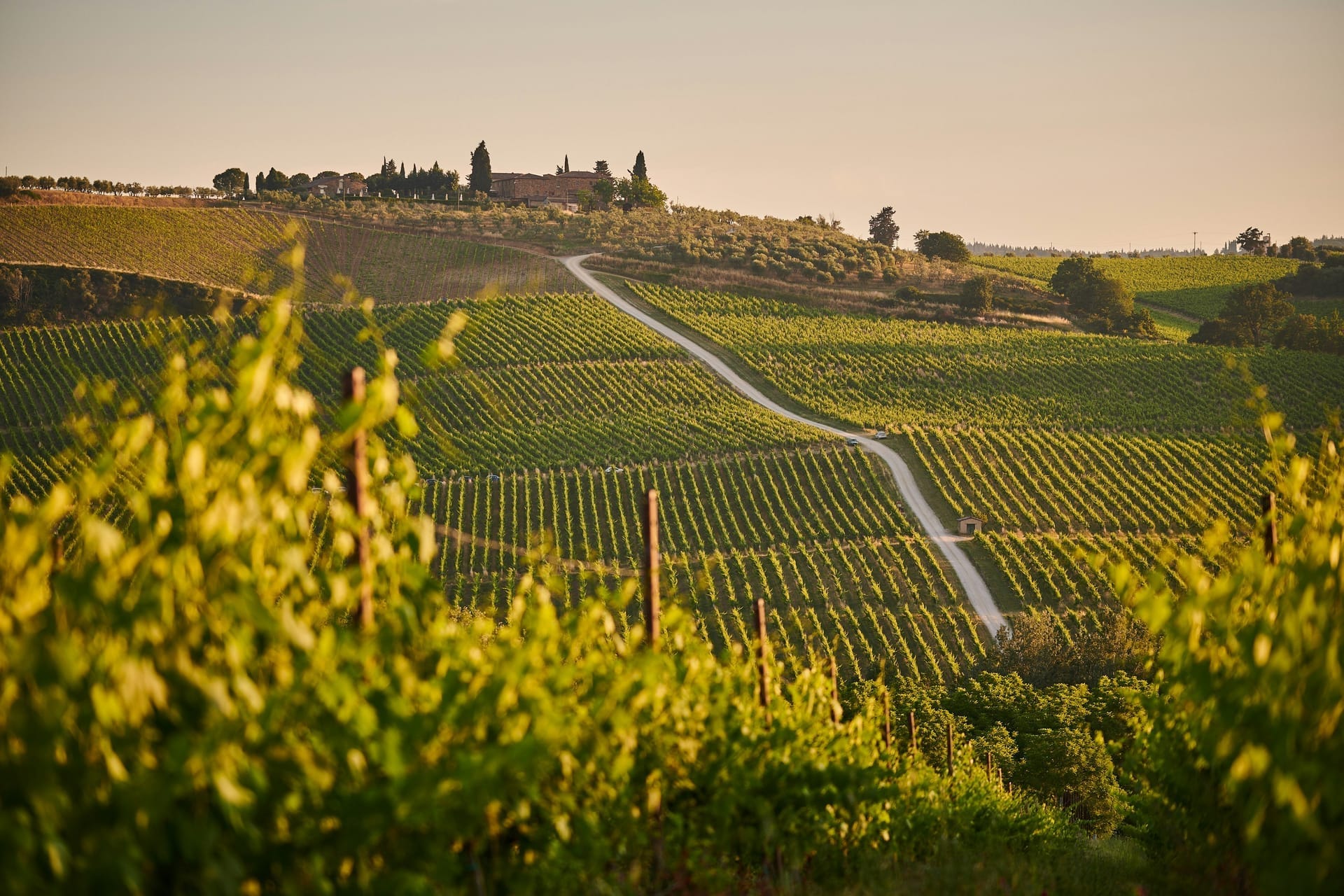
The story of Falanghina is, in many ways, the story of Italian wine's great renaissance. A grape that nearly disappeared in the late 20th century amid the rush toward international varietals has reinvented itself as a poster child for the authenticity movement — and global markets cannot get enough of it.
Falanghina's roots in the Campanian landscape are extraordinary. DNA analysis has shown that the grape has been grown in this region for at least two millennia, possibly more. The ancient Romans prized Falernian wines, among the most celebrated of antiquity, which historians believe were made at least partly from Falanghina.
After centuries of obscurity following the phylloxera crisis and the industrialization of Italian wine in the 1970s, Falanghina's revival began in earnest in the 1990s, driven by a handful of passionate producers in Sannio and the Campi Flegrei. By the 2000s, the wine had caught the attention of international critics, and by the 2010s it had become a genuine export success.
The Sannio DOC, established in 1997, gave Falanghina a formal appellation and a clear identity. Today, Sannio Falanghina is exported to over 30 countries, with the United States, Germany, and the UK as its leading markets. At their best, these wines show a beautiful profile: bright acidity, peachy fruit, herbal notes, and a clean mineral finish that makes them outstanding at the dinner table.
La Guardiense, the region's great cooperative, has been central to this story, producing Falanghina at scale while maintaining quality standards that would make smaller boutique producers proud.